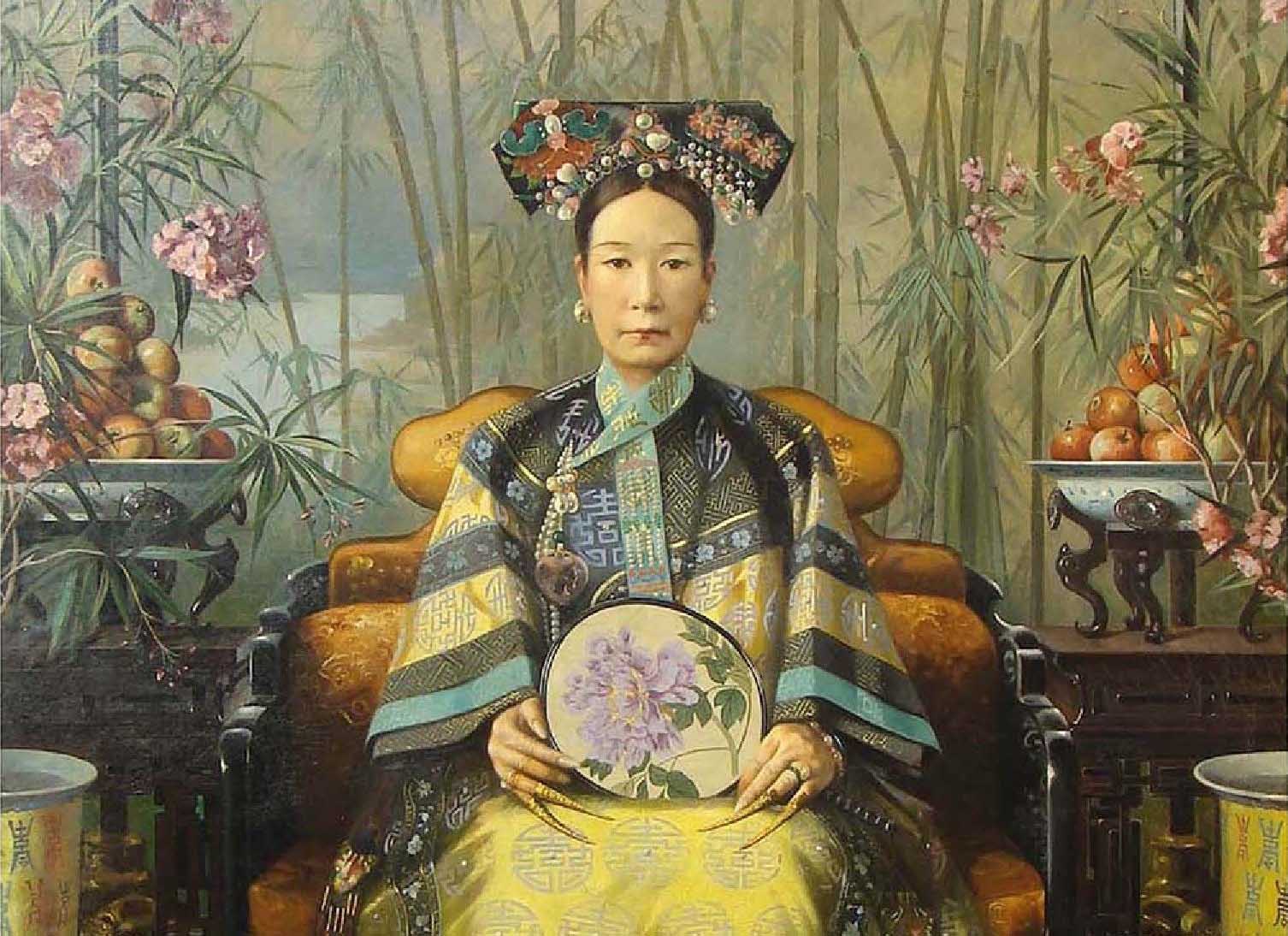
In the heart of the Forbidden City, amid the intricate gardens and majestic palaces, a young girl named Cixi was born into a world of privilege and tradition. Growing up in the Qing dynasty during the mid-19th century, she lived in a time when dynasties flourished and imperial power defined the course of history. Yet, her destiny was to be far more than just a life of luxury.
As she entered the imperial court as a concubine of Emperor Xianfeng, Cixi quickly realized that the world of politics was not solely dominated by men. With sharp intellect and keen intuition, she navigated the complexities of court life. After the emperor’s untimely death, Cixi’s life took a dramatic turn—she rose to prominence as the Empress Dowager, taking the reins of the empire as a powerful regent for her son, the young Emperor Tongzhi.
But it wasn’t just politics that captivated her; Cixi had an enduring passion for tea. In her court, tea was not merely a beverage; it was a symbol of culture, sophistication, and connection. Cixi embraced tea culture wholeheartedly, recognizing its social significance and its ability to enhance court ceremonies. She understood that tea could forge bonds between people, transcending the barriers of rank and status.
Under her reign, the appreciation of tea flourished. Cixi promoted the refinement of tea ceremonies, encouraging her court to embrace the artistry involved in brewing and serving tea. Elaborate tea sets became fashionable, and the preparation of tea transformed into an elaborate performance, a way to impress guests and solidify one’s status. She patronized skilled artisans, ensuring that the finest porcelain and elegant teapots were available, making tea an integral part of the imperial experience.
Cixi’s influence reached beyond the walls of the Forbidden City. Understanding the growing global interest in Chinese tea, she envisioned a means to elevate tea’s international reputation. She promoted high-quality tea exports, ensuring that the exquisite flavors of Chinese tea were available to the world. Her efforts helped establish tea as one of China’s most valuable commodities, solidifying its place in global trade and culture.
Yet, life in the imperial court was not without its challenges. Cixi faced numerous rebellions and political turmoil, including the Taiping Rebellion. Drawing on her strength and resilience, she adeptly maneuvered through the chaos, making strategic decisions that would stabilize the empire. It was during these tumultuous times that her love for tea became a source of solace. In moments of reflection, she would gather with trusted advisors, sharing tea and strategic discussions, finding comfort in the ancient ritual that had connected generations before her.
As the years passed, Empress Dowager Cixi’s legacy continued to grow. She became a symbol of strength and cultural refinement, with her tea ceremonies leaving an indelible mark on the traditions of the dynasty. Her influence on tea culture echoed far and wide, as she transformed the beverage into an art form that connected people and fostered diplomacy.
In the twilight of her life, Cixi looked out over the sprawling gardens of the Forbidden City, where the sweet scent of tea mingled with the blossoms in the air. She reflected on her journey—how a young girl had become one of the most powerful women in China, steering her dynasty through challenges while savoring the nuances of tea.
Even after her passing, her contributions to tea culture endured, inspiring generations to appreciate the fine art of tea brewing and the rich traditions surrounding it. Cixi, the Empress Dowager who boldly reshaped a dynasty, remained forever intertwined with the legacy of tea, a reminder of the power of tradition and the delicate threads that weave through history.